Pedestrian Accident Compensation: What Can It Cover?
October 26, 2026
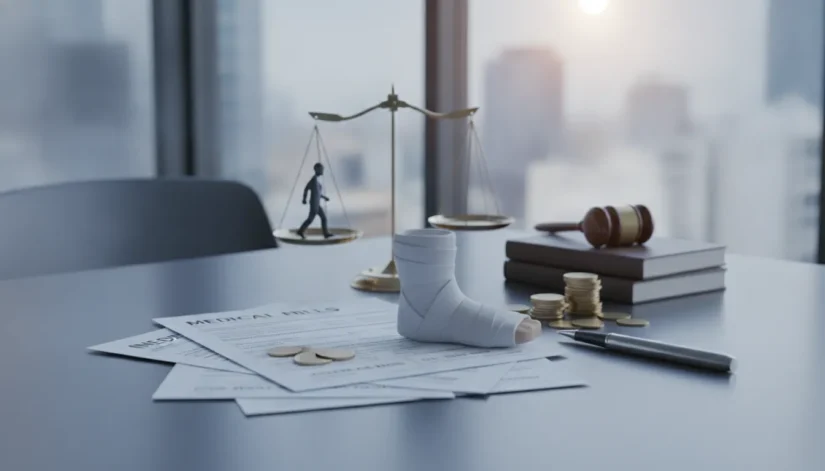
A driver’s insurance company may call while you are still trying to understand your injuries. You may feel pressure to explain what happened, provide records, or consider an early settlement. Before making decisions, focus on treatment and keep copies of the police report, photos, medical documents, bills, and work records. These details can help show how the crash occurred and how it affected you. Pedestrian accident compensation depends on the facts of each case, including fault, injury severity, insurance, and Georgia law. Learn what losses may be considered, how insurers may assess a claim, and why it can help to understand the terms before signing a release.
Key Takeaways
- Prioritize safety and medical care: Call for help, get checked promptly, and follow your provider’s treatment recommendations.
- Preserve useful records: Save crash details, medical and work documents, receipts, and insurer correspondence; review settlement terms carefully before signing.
- Know what can affect a Georgia claim: Evidence, shared fault, insurance coverage, and filing deadlines can shape your options. Henningsen Injury Attorneys offers free consultations, with no attorney fees unless the firm wins.
What Should You Do After a Pedestrian Accident?
A pedestrian crash can leave you shaken and unsure what to do first. Focus on safety and medical care. If you can move without worsening an injury, get out of traffic and call for help. Don’t put yourself at risk to gather information or take photos. If you’re unable to make calls or speak with people at the scene, ask someone nearby to help.
Once you’re safe, keep track of what happened and how the crash affects you. A police report, witness information, photographs, medical records, and work records may help document your experience and losses. Save copies in one place, and add to them as you receive care or miss work.
An insurer may contact you before you know the full extent of your injuries. You can ask who they represent and what they’re requesting, but you don’t have to agree to a recorded statement or settlement on the spot. Henningsen Injury Attorneys offers more information about insurance communications in its Atlanta car accident guidance. The steps below can help you care for yourself and preserve useful information.
Get medical care and follow your treatment plan
Call 911 if you have a serious injury or need urgent medical help. Even if you feel well enough to leave the scene, arrange medical care as soon as possible. Some injuries, including head, neck, and internal injuries, may not cause clear symptoms right away. Tell your healthcare provider about all your symptoms and when they started.
Follow the care plan your provider recommends, attend follow-up appointments, and report changes in your condition. If you have difficulty following a recommendation, discuss it with your provider and keep a note of what happened. Medical records can document your injuries, treatment, and recovery over time. Prompt care and continued follow-up are also recommended in this pedestrian accident resource.
Call 911 and report the crash
If you’re able, call 911 or ask someone nearby to call. Tell the dispatcher where the crash happened, whether anyone is injured, and whether traffic or another hazard poses an immediate danger. Stay at the scene to speak with responding officers unless you need emergency care.
Give officers a clear account of what you remember. If you’re unsure about a detail, say so rather than guessing. Ask how to get a copy of the report, or write down the report number and responding agency. A police report can record basic details about the collision and the people involved, but it does not necessarily settle who is legally responsible. Keep your own notes, too. This pedestrian accident guide also recommends reporting the crash to law enforcement.
Photograph the scene, your injuries, the vehicle, and road conditions
If it’s safe, take photos or videos of the scene before anything is moved. Start with wider views that show where the collision happened, then capture details such as the vehicle and license plate, crosswalks, traffic signals, signs, lighting, skid marks, and debris. Include road and weather conditions, along with anything that may have affected visibility.
Photograph visible injuries as soon as practical. If bruising or swelling appears later, take additional pictures and keep the original files. Don’t step into traffic or delay medical care to get images. If you can’t take photos yourself, ask a companion or witness to help. This pedestrian crash photo guide describes other scene details worth documenting.
Collect the driver’s and witnesses’ contact and insurance information
When it’s safe, ask the driver for their name, phone number, address, insurance company, policy information, license plate number, and driver’s license details. You can photograph the documents if writing everything down feels difficult. Keep the exchange calm and factual. Avoid arguing about fault or guessing about what happened.
Ask witnesses for their names and contact details, and whether they’re willing to share what they saw. A witness may have noticed something you couldn’t see from where you were. If you’re unable to speak with people at the scene, ask a companion to help or tell the responding officer that witnesses were present. Keep these details with the report number and your photos so you can find them easily later.
Track treatment, missed work, and out-of-pocket costs
Create a folder, either on paper or digitally, for records related to the crash. Save medical bills, prescription receipts, transportation costs for appointments, insurance letters, and receipts for medical equipment or other expenses. You can also keep a simple dated log of appointments, symptoms, activity limits, and changes in your daily routine.
If you miss work or your hours or duties change, save pay stubs, leave records, and relevant messages from your employer. Record expenses as they come up rather than relying on memory later. These documents can help show how the injury has affected your finances and daily life. This pedestrian accident compensation overview also recommends tracking medical care, missed work, and expenses.
Think carefully before giving recorded statements or accepting quick settlement offers
An insurance adjuster may ask you to give a recorded statement or make an offer soon after the crash. You can ask which insurer they represent and why they’re requesting information. Before answering questions on record, consider getting legal advice, particularly if you’re still receiving treatment or don’t yet know how your injuries may affect you.
An early offer may not account for care you still need, time away from work, or symptoms that have not fully developed. Before signing a release or accepting payment, read the terms and make sure you understand whether the agreement would end your ability to seek further compensation. You don’t have to decide immediately. This guide to pedestrian accident claims also advises caution with recorded statements and quick settlement offers.
What Can Pedestrian Accident Compensation Cover?
A pedestrian accident can lead to medical bills, missed work, damaged belongings, and changes to daily life. Depending on the circumstances, an injury claim may seek compensation for several types of losses. What may be available depends on the evidence, the injuries, who was at fault, and Georgia law. Keep records of treatment, expenses, and how the collision affects your work and routines. These details can help show the losses connected to the crash. Henningsen Injury Attorneys represents injured people and families in pedestrian and other accident cases across Georgia.
Emergency care, ongoing treatment, rehabilitation, and future medical needs
A claim may include reasonable medical expenses related to the collision. These can include ambulance transportation, emergency care, hospital stays, surgery, medication, physical therapy, and rehabilitation. Follow-up appointments and equipment needed because of an injury may also be relevant.
Some injuries require care well beyond the initial emergency visit. A person may need additional treatment months later or face lasting limitations that call for future medical support. Medical records, bills, treatment plans, and healthcare providers’ assessments can help document these needs and connect them to the crash. Keep copies of your records and follow your provider’s recommendations. The types of losses considered will depend on the facts and evidence in the individual pedestrian injury case.
Lost wages and reduced future earning capacity
If your injuries prevent you from working, you may be able to seek compensation for income lost during recovery. This may include missed shifts, reduced hours, or time away from work for medical appointments. Pay stubs, employer records, tax documents, and a record of missed work can help show the financial impact.
A serious injury may also limit the kind of work you can do or the hours you can manage in the future. This potential reduction in earning capacity is different from wages already missed. Evidence about your work history, injury-related restrictions, and expected ability to earn may help establish the effect. The amount, if any, depends on the evidence and circumstances. There is no standard calculation that guarantees a particular recovery.
Pain, emotional distress, and lost enjoyment of life
An injury can affect a person in ways that go beyond medical bills and lost income. Physical pain, emotional distress, sleep problems, and anxiety after a collision may disrupt daily routines. Some people also find that injuries prevent them from taking part in activities, hobbies, or family events they enjoyed before the crash.
These effects do not come with receipts, but they can still be documented. Medical records and treatment notes may describe symptoms, while a personal journal can track pain and day-to-day limitations. Family members or friends may also be able to describe changes they have observed. The nature and duration of the injury matter, and each claim is assessed based on its own facts. No fixed amount can guarantee compensation for pain or other personal effects.
Damaged belongings and other accident-related expenses
A collision may damage belongings such as a phone, glasses, clothing, or bicycle. A claim may seek the reasonable cost to repair or replace property damaged in the crash. If possible, photograph damaged items and save receipts, repair estimates, or replacement-cost information. Keep the items until you have documented their condition.
Other out-of-pocket costs may also be relevant if they stem from the injury. For example, you may have transportation expenses for medical appointments or need certain services while recovering. Keep receipts and note what each expense was for. Whether a specific cost may be included depends on its connection to the collision and the supporting evidence. Organizing these records as you go can make it easier to explain how the accident affected your finances.
Wrongful-death damages for eligible family members
If a pedestrian dies from injuries suffered in a collision, Georgia law allows certain surviving family members to bring a wrongful-death claim. The person eligible to file depends on the family’s circumstances and the order set by state law. The claim generally concerns the full value of the deceased person’s life, as defined under Georgia law.
A separate claim may also be available through the deceased person’s estate for losses such as medical expenses before death and funeral costs. These cases involve specific legal requirements, and the damages depend on the facts. The Georgia wrongful-death statute explains who may bring a claim and the damages it addresses. Families should preserve medical and financial records, crash evidence, and documents related to the person’s estate.
Punitive damages in limited cases involving certain conduct
Punitive damages are intended to punish and deter particularly serious misconduct, rather than reimburse a specific loss. They are not awarded in every pedestrian accident case, and a serious injury alone does not establish a right to them.
Georgia law generally requires clear and convincing evidence of conduct such as willful misconduct, malice, fraud, wantonness, oppression, or conscious indifference to consequences. Whether the evidence meets this standard depends on the circumstances and the type of claim. The Georgia punitive-damages statute sets out the legal requirements and limitations. A lawyer can review the available evidence and explain whether punitive damages may be considered in your case.
How Do Georgia Pedestrian Laws Affect Your Claim?
Georgia’s traffic laws set responsibilities for drivers and pedestrians, but a possible violation does not automatically determine who caused a crash. The crossing location, traffic signals, visibility, and actions of everyone involved may all matter. These facts can affect whether you can recover compensation and how much. If you were injured in a crash in Atlanta or elsewhere in Georgia, preserving evidence and understanding the laws that apply can help you assess your options.
Follow driver duties at crosswalks, intersections, and driveways
Georgia law generally requires drivers to stop and yield to pedestrians crossing within a crosswalk when the pedestrian is on the vehicle’s half of the road or approaching closely from the other half. Drivers must also use due care to avoid hitting pedestrians, including giving a warning when necessary. These responsibilities are described in Georgia’s crosswalk right-of-way law and due-care law.
At intersections and driveways, the driver’s view, direction of travel, and any turn or entry onto the road may be relevant. A pedestrian’s presence may be harder to see because of parked vehicles, poor lighting, or other obstructions. Photos, witness accounts, and available camera footage can help show what happened.
Follow pedestrian duties when crossing or walking near traffic
Pedestrians also have duties under Georgia law. When crossing a road outside a crosswalk, a pedestrian generally must yield to vehicles on the roadway. Georgia law also restricts crossing between adjacent intersections controlled by traffic signals except in a crosswalk. Where there is no sidewalk, a pedestrian walking along the road generally must use the shoulder on the left side, facing traffic, when practicable. You can review these requirements in Georgia’s pedestrian crossing rules and roadway walking rules.
These rules do not remove a driver’s duty to use due care. However, an insurer may argue that a pedestrian’s actions contributed to the crash. The signal, crossing location, sightlines, and witness statements may help clarify how responsibility should be assessed.
Understand Georgia’s comparative-fault rule and 50% bar to recovery
Georgia follows a modified comparative-fault rule. If you are partly responsible for a pedestrian accident, your damages may be reduced by your share of fault. If you are found 50% or more responsible, you generally cannot recover damages from another party. For example, if your damages total $100,000 and you are found 20% at fault, your recoverable amount may be reduced by $20,000.
The rule appears in O.C.G.A. § 51-11-7. Fault may be disputed based on evidence such as traffic signals, vehicle speed, visibility, and witness accounts. Keep records and photographs that help explain how the collision happened, and be cautious about accepting an insurer’s assessment of your share of responsibility before the facts are clear.
Meet filing deadlines and notice rules for claims against government entities
Georgia generally gives injured people two years to file a personal injury lawsuit, but different rules can apply when a government entity may be responsible. A claim against a city generally requires written notice within six months; a claim against a county generally requires notice within 12 months. Claims against the state follow a separate process, which generally requires notice within 12 months under the Georgia Tort Claims Act. The details and deadlines depend on the agency and circumstances.
Review the general Georgia personal injury deadline, the notice requirement for city claims, and the notice requirement for county claims. If a government vehicle, road, or public property may have played a role, seek legal guidance promptly. Henningsen Injury Attorneys, P.C. offers free consultations and charges no attorney fees unless it wins.
What Determines Pedestrian Accident Compensation?
Several factors can affect the amount a pedestrian may recover after a crash. The injuries, evidence, insurance coverage, and each person’s role in the collision all matter.
Injury severity, recovery time, and lasting physical or emotional effects
The type of injury and how it affects your life can shape a compensation claim. An injury that heals within a few weeks may have a different impact from a brain injury, spinal cord injury, or condition that causes lasting pain or disability. The time you need to recover, the treatment you receive, and any lasting physical or emotional effects may also be considered. Keep a record of symptoms and note how the injury changes your work, sleep, mobility, or daily routines. These details can help show the effects that may not be obvious from a medical bill alone. This overview of pedestrian accident settlements discusses how injury impacts and supporting evidence may factor into a claim.
Current and expected medical costs and income losses
A claim may include more than the first emergency-room bill. Depending on the facts, medical expenses may include ambulance transport, hospital care, surgery, medication, physical therapy, specialist visits, and future treatment related to the crash. Lost wages may also be part of a claim if you miss work while recovering. If your injuries limit the type or amount of work you can do, the effect on future earning capacity may matter too. Save bills, insurance statements, pay records, and any documents showing time away from work. Future costs and income losses need support, so treatment records and other documentation can be important. This guide to pedestrian accident damages describes losses that may be considered.
Evidence of fault and the link between injuries and the crash
Evidence can help establish how the collision happened and whether the crash caused the injuries and losses in your claim. Police reports, witness statements, photos, available video, and medical records may all provide useful information. In some cases, vehicle data or an accident-reconstruction analysis may help clarify what occurred. Medical records can document when symptoms began, what care you received, and how your condition changed over time. Preserve relevant documents and share them with your attorney for review. If you were hurt in an Atlanta-area pedestrian collision, a lawyer handling car and other vehicle accident claims can assess the available evidence and explain how it may affect your options.
Shared responsibility and its effect on recovery
A pedestrian and driver may each share some responsibility for a crash. Under Georgia’s comparative-fault rule, a person’s damages may be reduced by their share of responsibility. If the injured person is found 50% or more at fault, they generally cannot recover damages. The circumstances matter, including where and how the pedestrian crossed, what the driver did, and what the available evidence shows. Insurers may dispute these details, so an initial account of fault does not necessarily settle the issue. Georgia’s comparative-fault statute explains how a person’s responsibility can affect recovery.
The absence of a standard formula or guaranteed payment
There is no fixed formula for calculating pedestrian accident compensation, and no specific payment is guaranteed. The outcome depends on the facts and evidence, including the injuries, related expenses, lost income, fault, and available insurance. Two crashes that appear similar may lead to different outcomes because the people involved, their recovery, and the supporting records differ. Be cautious of anyone who promises a particular amount before reviewing the details. Henningsen Injury Attorneys’ past case results may provide context about previous matters, but those results do not predict the outcome of another claim.
What Evidence Can Support Your Pedestrian Accident Claim?
Evidence can help explain how a pedestrian crash happened, who may be responsible, and how the injuries affected you. If you are able, save records and details soon after the collision. Your health comes first, so do not delay medical care or put yourself at risk to gather evidence.
Gather police reports, witness statements, and driver information
Ask how to obtain the police report and save a copy when it becomes available. It may include the crash location, statements, road conditions, and information about the driver and vehicle. Keep the report number and the responding officer’s name, if you have them.
If anyone saw the collision, ask for their name and contact information. Witnesses may be able to describe what they observed if the driver later disputes your account. Keep the driver’s name, license plate, insurance information, and contact details, too. Eyewitness accounts and police reports can help document the circumstances of a pedestrian crash, as Park Chenaur explains. Avoid discussing fault at the scene. Focus on safety and exchanging information.
Save scene photos, traffic-camera footage, and available vehicle data
If it is safe, photograph or record the scene as soon as you can. Capture the crosswalk or intersection, signals, signs, lighting, weather, skid marks, debris, vehicle damage, and visible injuries. These details may change or disappear after the crash.
Look for nearby businesses, homes, or public agencies that may have cameras facing the area. Note their locations and ask how footage can be preserved. Some vehicles may store data about speed or braking, although access depends on the vehicle and the circumstances. Photos and traffic-camera footage can help show the conditions at the time of a collision, according to the Rybak Firm’s pedestrian accident guide. Do not trespass or enter traffic to collect evidence.
Keep medical records documenting injuries and treatment
Seek medical care promptly, even if your injuries seem minor. Some symptoms appear or worsen later, and a medical professional can assess your condition and recommend care. Follow your treatment plan, and tell your providers about new or persistent symptoms.
Save discharge instructions, test results, prescriptions, appointment summaries, therapy notes, and specialist records. These documents can show what injuries were diagnosed and what treatment you received. They may also help explain ongoing symptoms or recommended future care. Potential accident-related expenses can include emergency treatment, hospital stays, surgery, therapy, medication, and specialist visits, as outlined in the Rybak Firm’s overview of pedestrian accident damages. Keep records together, and note any appointments you miss or treatment you postpone.
Collect bills, wage records, and evidence of lasting limitations
Save medical bills and receipts for prescriptions, transportation to appointments, and other crash-related expenses. Keep pay stubs, tax records, and employer letters showing time missed from work or changes to your duties. If you are self-employed, preserve invoices, contracts, and business records that may show how the crash affected your work.
You can also keep a brief, factual record of how your injuries affect daily activities, such as walking, sleeping, caring for family, or returning to work. Note when limitations occur and whether they improve or continue. These details may help explain losses that are not reflected in bills. A claim may include lost wages or reduced future earning ability, as the Rybak Firm describes. Keep your notes consistent with what you report to your medical providers.
Preserve footage and other records before they disappear
Some evidence may only be available for a short time. Businesses may overwrite security footage, and it can become harder to locate witnesses later. Make a list of nearby cameras and people or organizations that may have relevant records. Ask them to preserve footage if possible, but do not assume it will remain available.
Keep original photos, videos, messages, and documents, and save backup copies. Avoid editing images or posting details about the crash on social media. An attorney can help identify records to request and send preservation notices when appropriate. The Wilshire Law Firm’s pedestrian accident guide notes the importance of preserving evidence while a claim is being evaluated. If you have questions about evidence after a crash in Georgia, Henningsen Injury Attorneys offers free consultations.
How Can Insurance Affect Pedestrian Accident Compensation?
Insurance can shape who may pay for your losses and how much money may be available. The at-fault driver’s auto policy is often the first place to look, but its limits may not cover the full cost of a serious injury. Depending on the crash, other options may include uninsured or underinsured motorist coverage, a commercial policy, or coverage connected to another responsible party. Whether a policy applies depends on its terms and the facts of the accident.
Insurers also investigate claims and may dispute fault, medical treatment, or the value of your losses. Under Georgia’s comparative-fault rule, compensation can be reduced if you share responsibility for the crash. If you are found 50% or more at fault, you generally cannot recover damages. Georgia’s comparative-negligence statute explains how a person’s role in an injury can affect recovery.
Finally, a settlement may not all go directly to you. Medical liens or reimbursement claims may need to be paid from the proceeds, and a signed release can end your claim. Before agreeing to a settlement, review the available coverage, the evidence, your expected future needs, and any repayment obligations. Henningsen Injury Attorneys handles pedestrian and other injury claims, and a lawyer can help you understand the issues that may affect your options.
Review the at-fault driver’s liability coverage and policy limits
The driver’s auto liability policy is often the first coverage considered after a pedestrian crash. Depending on the policy and the claim, it may pay for losses such as medical expenses, lost income, and pain and suffering. However, the insurer’s payment is generally subject to the policy’s terms and limits. Those limits may be less than the total cost of a serious injury.
Ask for the insurer’s name and policy information, and keep copies of medical bills, wage records, and other documents showing your losses. The insurer may investigate before deciding whether to accept or dispute the claim, so an early offer may not account for future treatment or lasting effects. Henningsen’s Atlanta car accident attorneys can explain how liability coverage and policy limits may affect an injury claim.
Check whether uninsured or underinsured motorist coverage may apply
If the driver has no insurance or not enough coverage, uninsured or underinsured motorist (UM/UIM) coverage may offer another potential source of recovery. Your own auto policy may apply even though you were walking, and in some cases, a household member’s policy may be relevant. Coverage depends on the policy language, who qualifies as an insured person, and the circumstances of the crash.
Review the policy declarations and ask the insurer about coverage and notice requirements. Do not assume UM/UIM coverage applies automatically, and consider getting advice before giving a recorded statement or accepting payment. Georgia’s UM coverage statute sets out requirements for this coverage, but the specific policy and facts still matter.
Identify other potentially responsible parties and their policies
The driver may not be the only party whose actions contributed to a pedestrian crash. For example, an employer may be responsible if the driver was working at the time, or a business may have a role if it owned or operated the vehicle. Depending on the facts, a dangerous road or property condition may also point to another responsible party. Commercial insurance or an umbrella policy could provide additional coverage, but neither is available in every case.
Reviewing the circumstances, vehicle ownership, and available records can help identify who may be responsible and which policies to investigate. Police reports, witness accounts, photos, and employment or vehicle records may be useful. Claims involving a government entity can have special notice requirements and deadlines. A lawyer can assess potential parties and coverage as part of a personal injury claim review.
Prepare for insurer disputes over fault, treatment, and losses
An insurer may argue that a pedestrian crossed outside a crosswalk, ignored a signal, or was difficult for the driver to see. It may also question whether the crash caused a particular injury, whether treatment was necessary, or whether missed work resulted from the collision. These disputes can affect the amount offered and the time it takes to resolve a claim.
Keep photos, witness contact information, medical records, and wage documents organized. They may help support your account of the crash and show how your injuries affected you. Under Georgia’s comparative-fault rule, a person’s compensation may be reduced by their share of responsibility; recovery is generally barred if they are 50% or more at fault. Georgia’s comparative-negligence statute provides more detail about this rule.
Account for medical liens and reimbursement obligations
A settlement may be subject to medical liens or reimbursement claims. A health insurer, government health program, or medical provider may seek repayment for care related to the crash. The rules vary based on the coverage, provider agreements, and circumstances, so do not assume every bill or repayment request is handled the same way.
Before accepting an offer, gather notices about liens and outstanding balances, then confirm how they will be addressed. Consider future treatment as well: a settlement release may end your claim, even if you need more care later. Keep bills, payment records, and insurer or provider correspondence together so you can review the full picture. Understanding valid repayment obligations can help you estimate what may remain after medical expenses, fees, and other costs are addressed.
How Do You File a Pedestrian Accident Compensation Claim?
Filing a claim usually means identifying who may be legally responsible, documenting how the crash affected you, and communicating with the insurers involved. The process can take time, especially if you are still receiving treatment or your future medical needs are not yet clear. Keep copies of records and messages, and take time to understand any offer before deciding whether to accept it.
Identify potentially responsible parties and notify relevant insurers
The driver may be responsible for a pedestrian crash, but the circumstances can point to other potentially responsible parties as well. For example, an investigation may need to consider a vehicle owner, an employer, or a government entity. Each party may have different insurance coverage and claim procedures, so identifying everyone who may be involved can matter.
A claim often begins with notifying the at-fault party’s insurer and providing information about the crash, your injuries, and your losses. A pedestrian accident claim overview explains how injured people may present a demand to an insurer. Keep copies of notices and correspondence, and record when you send or receive them. If you are unsure which parties or insurers to contact, a lawyer can help assess the available information.
Gather records and track losses while treatment continues
Create a file for documents related to the crash. Include medical records and bills, prescriptions, receipts, employer records, and insurance messages. Keep a simple log of appointments, symptoms, missed work, and changes to your usual activities. These details can help show the practical effects of your injuries, not only the bills you have received so far.
Follow your medical providers’ instructions and attend recommended appointments. Tell your provider if your symptoms change, and keep a record of how your recovery is progressing. Avoid delaying care or guessing about your condition when speaking with an insurance adjuster. This guide to pedestrian accident claims explains why treatment records and documentation can be important. If an insurer asks for a recorded statement, consider getting legal advice before responding.
Submit your claim and respond carefully to insurer requests
A claim generally includes an account of how the crash happened, why another party may be responsible, and the injuries and losses that followed. Supporting documents may include medical records, bills, wage information, photographs, and witness details. If you are still receiving care, you may need to add records as your treatment and expenses continue.
An insurer may ask questions or request documents during its review. Answer accurately, keep copies of everything you provide, and ask for clarification if a request is unclear. You do not have to guess at answers or downplay your symptoms. Many claims are resolved through insurance negotiations, but an initial offer may not reflect all documented losses. A claim process overview describes how evidence can support a demand. Consider having a lawyer review important requests before you respond.
Review settlement terms and medical obligations before signing
A settlement may provide payment in exchange for ending your claim. Before signing, read the agreement carefully and confirm which claims and parties it covers. Settlement documents often require you to give up the right to seek additional compensation for the same crash, even if you later face new symptoms or expenses.
Check whether the proposed amount accounts for medical bills, future care, lost income, and any reimbursement obligations. Health insurers or medical providers may have claims against settlement funds, so find out how those will be handled. If treatment is ongoing, consider whether you have enough information to understand your likely future needs. This settlement guidance emphasizes reviewing the agreement and medical obligations before accepting. A lawyer can explain terms that are unclear and help you consider the offer.
Consider a lawsuit if negotiations fail to resolve the claim
If negotiations do not resolve your claim, filing a lawsuit may be an option. A lawsuit does not guarantee a particular outcome. It can involve additional investigation, court filings, and further settlement discussions. The appropriate next step depends on the evidence, the parties involved, and the deadlines that apply to your case.
Do not assume that negotiations with an insurer pause a legal deadline. Claims involving a government entity may also have special notice requirements. A lawyer can review the evidence, explain possible next steps, and discuss the risks and costs involved. Henningsen Injury Attorneys represents people hurt in pedestrian and other accident cases across Georgia. The firm offers free consultations, and clients pay no attorney fees unless the firm wins.
When Can a Georgia Pedestrian Accident Lawyer Help?
After a pedestrian crash, you may be balancing medical appointments, missed work, and calls from insurance companies. A lawyer can help you understand your options and handle parts of the claims process while you focus on your recovery. You can ask for guidance even if you are still receiving treatment or do not yet know the full impact of your injuries.
Evaluate fault, evidence, deadlines, and potential damages
A lawyer can review how the collision happened and consider whether a driver or another party may be responsible. That review may include the police report, witness accounts, photos, road conditions, and available video. If an insurer says you contributed to the crash, a lawyer can explain how Georgia’s comparative-fault rule may affect your claim.
Filing deadlines and notice requirements can depend on the circumstances, especially when a government entity may be involved. Getting advice promptly can help you understand which rules apply. A lawyer can also help identify losses to document, including medical expenses, missed income, and the effect of your injuries on daily life. Henningsen Injury Attorneys handles pedestrian and other accident claims, and can review your situation based on its specific facts.
Organize records and handle insurer communications
Medical records, bills, wage documents, and evidence from the crash can be difficult to keep track of, especially while you are recovering. A lawyer can help organize relevant information and present it to the insurance company. Keeping records as you go can also help show how the injuries and related costs have affected you.
An insurer may request a recorded statement, ask you to sign documents, or make a settlement offer. Before responding, consider getting advice about what the request means and whether an offer accounts for your known losses. A lawyer can communicate with the insurer, review proposed terms, and help you avoid making decisions before you understand their potential effect. Henningsen’s car accident information explains some common issues in accident claims, though each pedestrian case depends on its own evidence and circumstances.
Explain your options without promising a particular result
No two pedestrian accident claims are exactly alike. The evidence, the extent of the injuries, available insurance, and any dispute about fault can all affect what options may be available. A lawyer can explain how these factors apply to your situation, identify information that may still be needed, and discuss whether settlement negotiations or a lawsuit may be appropriate.
A lawyer cannot promise a particular settlement or verdict. Past results do not guarantee future outcomes, because each case depends on its own facts. Henningsen Injury Attorneys shares information about its case results, but those outcomes are not a prediction of what another person may recover. A case review can help you understand your options and make decisions with a clearer picture of the process.
Get a free consultation and pay no attorney fees unless Henningsen Injury Attorneys, P.C. wins
If you are unsure whether to seek legal help, a consultation gives you a chance to describe what happened and ask questions. Henningsen Injury Attorneys offers free consultations to injured people and families. You can discuss your injuries, treatment, and any insurer contact, then decide how you want to proceed.
The firm’s contingency-fee promise means you pay no attorney fees unless Henningsen Injury Attorneys wins your case. Before signing an agreement, ask how case-related costs are handled and make sure you understand the terms. You can learn more about the firm’s attorneys and approach before reaching out. A consultation does not guarantee a particular result, but it can help you decide whether the firm may be able to assist with your claim.
Frequently Asked Questions
What should I do first after a pedestrian accident in Georgia?
Get to a safe place if you can, call 911 when needed, and arrange medical care as soon as possible. Once your immediate needs are addressed, save the police report details, witness contacts, photos, medical records, and receipts. Don’t put yourself at risk to collect evidence.
Can I seek compensation if I was partly responsible for the crash?
Possibly. Georgia reduces compensation according to an injured person’s share of fault. If you are found 50% or more responsible, you generally cannot recover damages from another party. The evidence and circumstances determine how fault is assessed.
What losses might a pedestrian accident claim cover?
Depending on the case, a claim may include medical expenses, lost income, reduced future earning ability, damaged belongings, and the effects of pain or limitations on daily life. The available damages depend on the evidence, the injuries, and Georgia law. No particular payment is guaranteed.
How long do I have to file a pedestrian accident lawsuit in Georgia?
The general deadline for a personal injury lawsuit is two years, but exceptions and different notice rules may apply, especially if a government entity is involved. Deadlines can depend on the specific facts, so consider getting legal guidance promptly.
Does it cost anything to speak with Henningsen Injury Attorneys?
The firm offers free consultations. It also promises no attorney fees unless it wins your case. Ask about case-related costs and review the fee agreement so you understand its terms before signing.