Motorcycle Accident Without A Helmet: How Does A Claim Work?
November 30, 2025
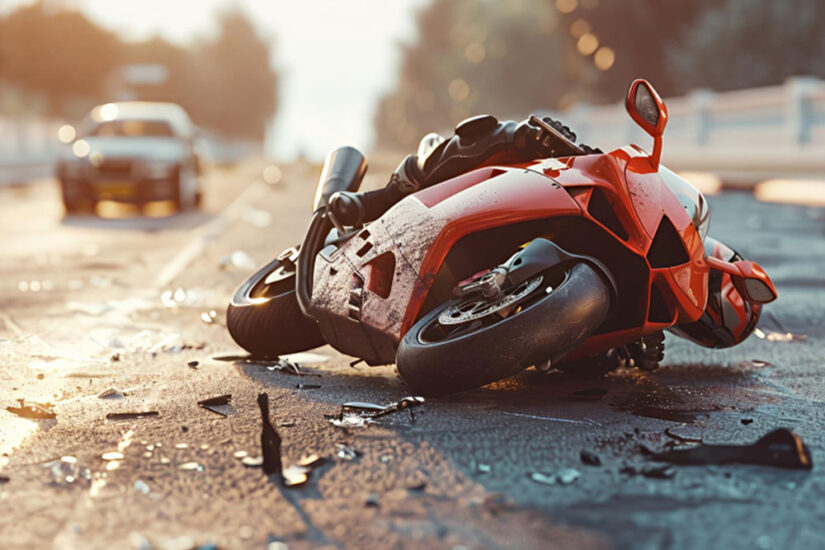
There is a specific sense of liberation that comes with riding, a feeling of being entirely connected to the environment around you. However, when that connection is interrupted by a collision, the physical and legal consequences can be overwhelming.
Many riders worry about their ability to seek justice if they were not wearing protective headgear at the time of the crash. If you were involved in a motorcycle accident without a helmet, you likely have questions about whether your lack of equipment bars you from receiving compensation. While the situation introduces additional layers of complexity to a personal injury claim, it does not automatically strip you of your right to hold a negligent driver accountable for their actions.
How Helmet Laws Impact a Claim
Helmet laws vary by state, and these laws play a role in how a claim is handled. In some states, all riders must wear helmets, while others allow certain riders to go without one under specific conditions.
If a rider was required by law to wear a helmet but chose not to, this fact may be considered during the claims process. However, it does not automatically mean the rider is at fault for the accident itself. Liability still depends on who caused the crash.
Courts and insurance companies often separate the cause of the accident from the severity of the injuries. A driver who runs a red light, for example, may still be held responsible for causing the collision, even if the rider was not wearing a helmet at the time.
Determining Fault in the Accident
Fault is the foundation of any personal injury claim. Investigators look at the events leading up to the crash to determine who acted negligently.
Common causes of motorcycle accidents include distracted driving, failure to yield, unsafe lane changes, and speeding. If another driver’s actions caused the crash, they may be held liable regardless of whether the rider wore a helmet.
Evidence such as police reports, witness statements, and traffic camera footage helps establish fault. In many cases, accident reconstruction experts may also be involved to better understand how the collision occurred.
The presence or absence of a helmet does not change the cause of the crash. Instead, it becomes a factor when evaluating injuries and damages.
Comparative Negligence and Shared Responsibility
Many states follow a comparative negligence system, which means fault can be shared between parties. In these cases, compensation may be adjusted based on each party’s level of responsibility.
Not wearing a helmet can sometimes be used as an argument that the rider contributed to the severity of their injuries. This does not mean the rider caused the accident, but it may influence how damages are calculated.
The Impact of State Helmet Laws on Your Claim
The specific laws of the state where the accident occurred play a major role in the outcome of your case. In jurisdictions where helmets are mandatory for all riders, failing to wear one might be viewed as “negligence per se,” meaning the act itself is considered a violation of a safety statute.
Even in these scenarios, however, the violation of a helmet law does not give other drivers permission to hit you. It simply means the defense has a stronger starting point for their comparative negligence argument.
Our approach involves examining the totality of the circumstances. We look at weather conditions, road maintenance, and the behavior of all parties involved. By presenting a comprehensive narrative of the crash, we can often mitigate the impact of a helmet law violation.
The Role of Medical Evidence
Medical records play a significant role in claims involving helmet use. Doctors and experts may be asked to evaluate how injuries occurred and whether a helmet would have made a difference.
Head and brain injuries often become the focus in these cases. If the injuries are unrelated to head trauma, the absence of a helmet may have little to no impact on the claim.
However, if the injuries involve the head or neck, insurance companies may argue that a helmet could have reduced the severity. Expert testimony can become important in clarifying the extent of the injuries and their causes.
We work with medical professionals and specialists to build a clear and accurate picture of how the injuries occurred and how they should be evaluated.
Insurance Company Tactics
Insurance companies often look for ways to limit payouts, and helmet use is one of the factors they may focus on. They may attempt to shift attention away from the cause of the accident and toward the rider’s actions.
This can lead to arguments that the rider was partially responsible for their injuries, even when another driver caused the crash. These tactics can affect settlement offers and the overall value of a claim.
Handling these arguments requires a deep understanding of state traffic laws and the principles of liability. At Henningsen Injury Attorneys, we specialize in cutting through these insurance company tactics.
Our team works to keep the focus on the reckless behavior that led to the crash rather than a singular choice regarding safety gear. If you are facing pushback from an adjuster, speaking with an Atlanta motorcycle accident lawyer can provide the clarity you need to move forward with your claim.
Can You Still Recover Compensation?
Yes, it is still possible to recover compensation after a motorcycle accident, even if you were not wearing a helmet. The key factor is proving that another party’s negligence caused the crash.
Compensation may include medical expenses, lost income, and other damages related to the accident. The amount recovered depends on the specifics of the case, including how fault is assigned and how injuries are evaluated.
Each case is different, and outcomes vary based on the available evidence and the laws in the state where the accident occurred.
Take Control of Your Case with the Right Support
A motorcycle accident can leave you with more questions than answers, especially when helmet use becomes part of the discussion. While it may add complexity to your claim, it does not take away your right to seek compensation when another party is at fault.
Working with a team that understands motorcycle accident injury claims can help you move forward with clarity and direction. We focus on the facts, the evidence, and the path that puts you in the strongest position possible.
Contact us today and let our experienced team guide you through the process of rebuilding your life.