Where Do Most Motorcycle Accidents Happen?
December 8, 2025
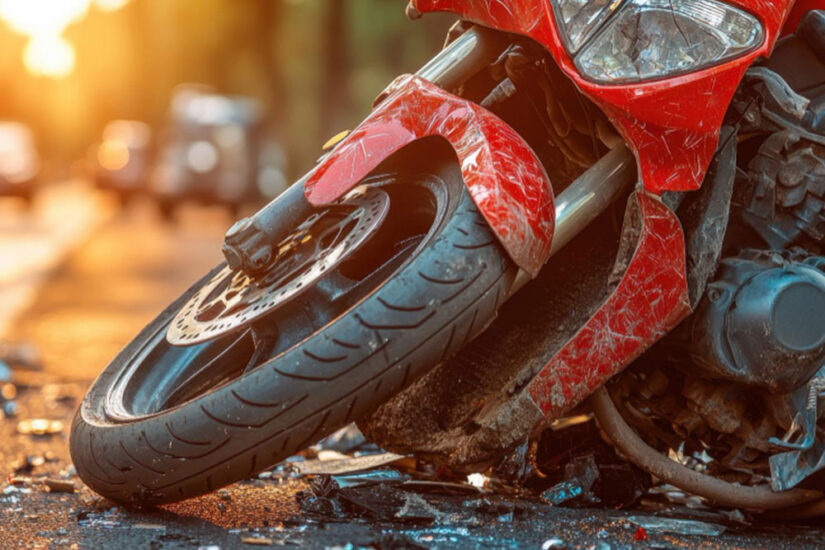
It often feels like motorcycle accidents happen out of nowhere, but when you look closer, patterns begin to emerge. Certain roads, intersections, and traffic conditions show up again and again in crash reports. Riders are more exposed than drivers in enclosed vehicles, which means even a small mistake or misjudgment can lead to serious consequences.
Where do most motorcycle accidents happen? Identifying these high-risk zones can empower riders with the knowledge to navigate dangerous stretches with heightened awareness. By pinpointing the specific locations where collisions occur most frequently, we can better understand the patterns of traffic and the environmental factors that contribute to these tragic events.
Urban Intersections
Intersections represent the single most dangerous location for anyone on two wheels. Statistics consistently show that a significant portion of multi-vehicle collisions involving bikes occurs at these junctions.
One of the most common scenarios involves a passenger vehicle making a left-hand turn in front of an oncoming rider. Often, the driver simply fails to perceive the smaller profile of the motorcycle, or they misjudge the speed at which the bike is approaching. This lack of visibility is a primary factor in why urban crossings are so hazardous.
When you are navigating busy city streets, the complexity of the environment increases the cognitive load on every driver. Pedestrians, changing signals, and multiple lanes of traffic create a chaotic backdrop where a motorcycle can easily be lost in the visual clutter.
At Henningsen Injury Attorneys, we have seen how these split-second lapses in judgment lead to life-altering injuries. If you have been involved in a collision at a busy junction, consulting with an Atlanta motorcycle accident lawyer can help clarify who was at fault and what steps you need to take next.
Undivided Highways and the Risk of Head-On Collisions
While city streets are prone to fender-benders and side-impacts, undivided highways often play host to much more severe incidents. On these roads, there is no physical barrier separating opposing flows of traffic. A momentary lapse in concentration or a botched passing maneuver can result in a head-on collision, which is frequently fatal for a rider. These accidents often happen on two-lane roads in rural or semi-rural areas where speeds are higher and emergency response times are longer.
The absence of a median means that a rider has very little margin for error if an oncoming vehicle drifts across the center line. Factors like driver fatigue, intoxication, or simple distraction become much more lethal on these stretches of pavement. Because the impact speeds are typically much higher on highways, the physical toll on the rider is often catastrophic, requiring long-term medical care and extensive rehabilitation.
Residential Areas and the False Sense of Security
It is a common misconception that accidents only happen at high speeds or on major thoroughfares. In reality, a surprising number of incidents occur very close to home.
Residential streets, while appearing quiet, contain unique hazards such as backing vehicles, unrestrained pets, and children playing near the road. Drivers in their own neighborhoods often operate on “autopilot,” paying less attention to their surroundings because the environment is familiar.
A car pulling out of a driveway without looking is a classic example of a residential hazard. For a motorcyclist, even a low-speed impact can cause the bike to tip, leading to broken bones or road rash.
Curve Negligence on Rural Backroads
For many enthusiasts, the appeal of riding lies in the twisty backroads that wind through the countryside. However, these curves are where many single-vehicle accidents take place.
If a rider enters a turn too fast or encounters unexpected gravel or sand on the pavement, they can easily lose traction and slide off the road. While these are often categorized as rider error, environmental factors frequently play a significant role.
Inadequate signage or a road surface that has not been properly maintained can turn a scenic curve into a death trap. If a local municipality fails to warn of a sharp decrease in the radius of a turn or neglects to clear debris after a storm, they may share in the liability for an accident.
The Perils of Work Zones and Construction Sites
Construction zones are a nightmare for motorcycles. The combination of uneven pavement, steel plates, loose gravel, and confusing lane shifts creates a treacherous path for two-wheeled vehicles.
What might be a minor bump for a truck can be enough to de-stabilize a motorcycle and cause a total loss of control. Furthermore, the presence of heavy machinery and distracted workers adds another layer of unpredictability to the scene.
Parking Lots and Low-Speed Tangles
While they rarely result in high-speed trauma, parking lots are frequent sites for motorcycle mishaps. These areas are characterized by unpredictable movements, with cars backing out of spaces and pedestrians walking between rows. Drivers are often looking for a spot or checking their phones, making them less likely to notice a motorcycle moving through the aisle.
The injuries sustained in parking lot incidents are often deceptive. While the initial impact may seem minor, the weight of a falling bike can cause significant soft tissue damage or ligament tears in the rider’s legs.
On-Ramps and Off-Ramps
Merging onto a high-speed interstate is a high-risk maneuver for anyone, but particularly for motorcyclists. On-ramps require a rider to match the speed of flowing traffic while searching for a gap.
Conversely, off-ramps often feature sharp curves that require a rapid reduction in speed. Other drivers frequently fail to yield or cut across multiple lanes to catch an exit, putting riders directly in their path.
The merging process relies on mutual visibility, and as we have established, motorcycles are often overlooked in a driver’s side mirrors. A “blind spot” collision during a merge can send a rider into a guardrail or under the wheels of a larger vehicle.
Get the Guidance You Need When It Matters Most
Motorcycle accidents often happen in places where traffic decisions intersect with human error, and the consequences can be life-changing. Knowing where these incidents are most likely to occur helps you stay prepared, but it also highlights how quickly things can go wrong.
If you or a loved one has been involved in a crash, working with a team that understands motorcycle accident legal claims can help you move forward with clarity and direction.
Reach out today to request a free case consultation and take the next step toward understanding your options.